 |
|
 |
Get our FREE |
|
|
|
|
Get our FREE |
    |








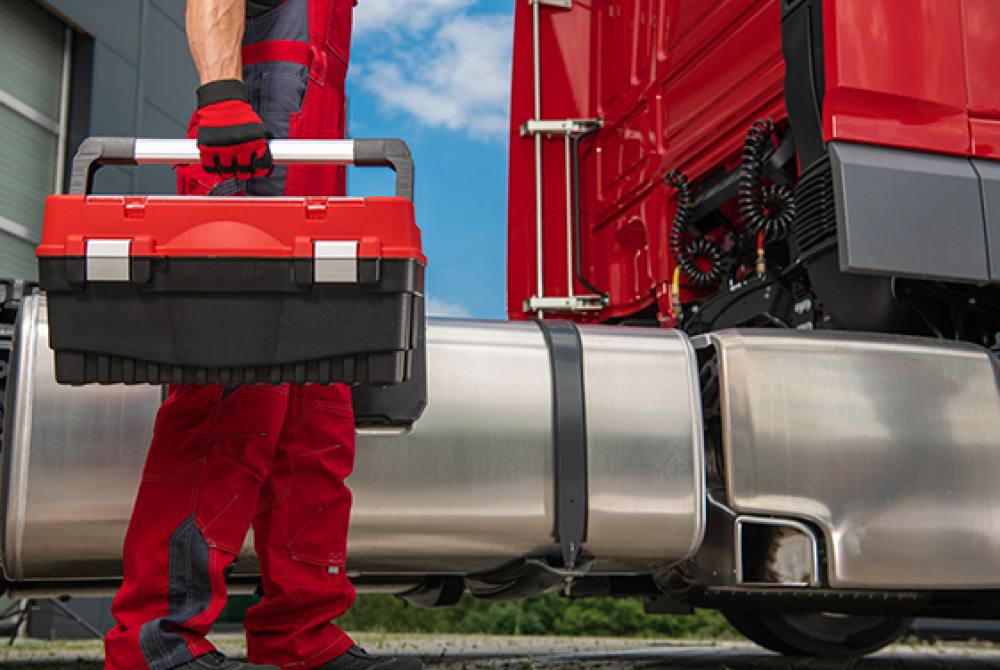
Out on the road, every minute matters. A minor breakdown during a long haul can quickly tu
into hours of delay—unless you’re prepared. That’s why every trucker—whether an independent owner-operator or part of a fleet—should carry a basic mechanical kit. We're not talking about full roadside repairs, but the essentials you need to handle quick fixes and keep moving safely.
Here’s a practical list of tools and gear that should always ride in your cab:
???? Basic Hand Tools
• Combination wrenches (metric and standard): For loosening common nuts on battery terminals, clamps, filters, and more.
• Phillips and flathead screwdrivers: Essential for electrical connections, dash panels, or access covers.
• Locking pliers and regular pliers: Handy for gripping, cutting, or bending wires.
• Adjustable wrench: Versatile tool for nuts and bolts of various sizes.
• Wire cutters and strippers: A must-have for quick electrical fixes.
???? Emergency and Quick Repair Supplies
• Electrical and Teflon tape: For emergency wire insulation and sealing pipe threads.
• Plastic zip ties: Great for securing cables, hoses, or temporarily holding loose parts.
• Radiator leak sealant: Can buy you time if you’re losing coolant.
• Tire pressure gauge: Crucial for checking proper inflation and avoiding blowouts.
• Portable fire extinguisher: Required by law and vital in case of a fire emergency.
• Heavy-duty gloves and flashlight with spare batteries: For safe and visible roadside work.
?? Smart Extras That Make a Big Difference
• Digital multimeter: Helps diagnose battery voltage, alte
ator output, and electrical issues.
• Spare connectors and fuses: Electrical components can fail without wa
ing—spares can prevent a costly tow.
• Heavy-duty jumper cables or portable jump starter: For dead battery emergencies.
• Truck manual or quick-reference guide: A lifesaver when you need a fast reminder about technical specs.
This kit won’t replace a professional shop, but it can be the difference between getting back on the road or being stuck on the shoulder. Make it a habit to check your kit regularly and tailor it to your truck’s specific needs.
Being prepared is part of being a professional driver. Because when you know your tools and are ready for the unexpected, the road always finds you steady behind the wheel.

When diesel prices tighten their grip, any news of a “price break” sounds like a lifeline. But the reality o...
read more...
A law enforcement operation in Southe Califo ia exposed what many truck drivers have long suspected: cargo theft is mor...
read more...
The road never stops—and neither do the people who drive it. Truck drivers are the invisible engine of the U.S. ec...
read more...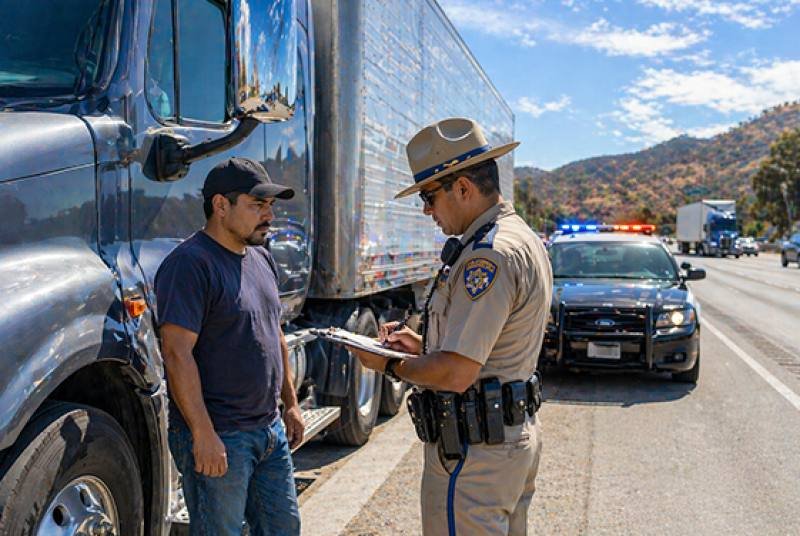
If it feels like you’re getting pulled over more often on the road, it’s not your imagination. Inspections b...
read more...