 |
|
 |
Get our FREE |
|
|
|
|
Get our FREE |
    |




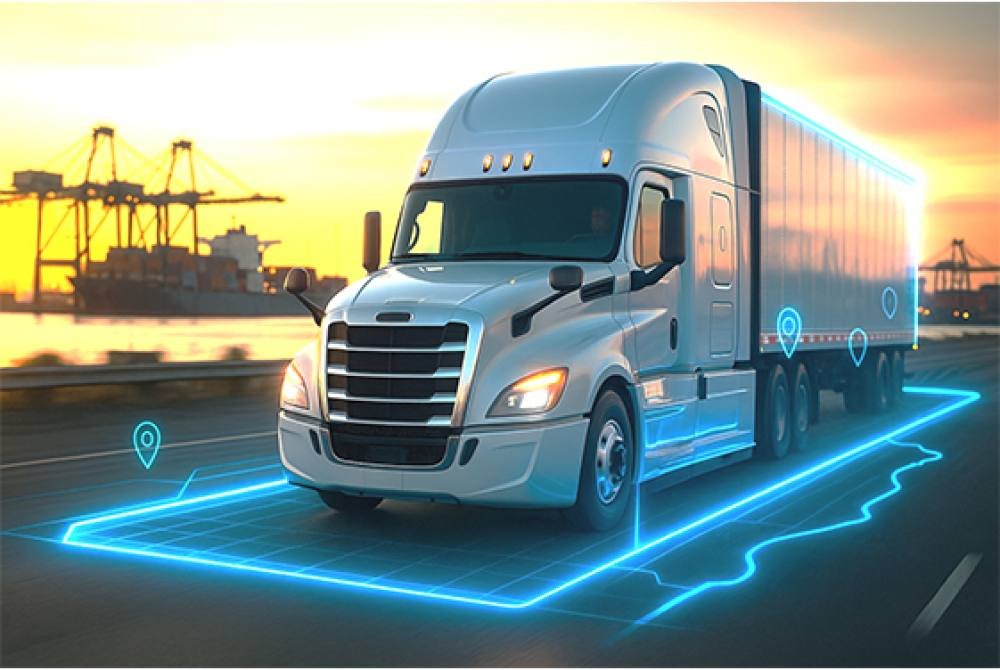
Imagine your truck wa
ing you in real time the moment you roll into a restricted zone — or when you’re just about to hit your delivery point. That’s the power of geofencing: creating “virtual fences” around specific areas that trigger alerts or automatic actions the moment you cross them.
Today, many Califo
ia trucking companies are already using this technology to improve safety, streamline routes, and cut costs.
How It Works
Geofencing uses GPS, Wi-Fi, or cellular data to draw a virtual perimeter on the map. When the truck enters or exits that perimeter, the system sends a notification to the driver or the dispatch center.
Benefits for Truckers
• Avoid fines: Get alerts before entering restricted zones — like weight-limited streets in Los Angeles.
• Save time: Automatically check in at loading or unloading points, eliminating extra paperwork.
• Boost security: Detect unauthorized route deviations and protect cargo against theft.
• Stay compliant: Helps meet emission-control programs such as CARB’s Clean Truck Check.
Real-World Examples
• Samsara and Geotab: Offer tools that wa
when a truck enters low-emission zones without clearance.
• Uber Freight: Uses geofencing to log arrival and departure times at shippers automatically, reducing Hours-of-Service (HOS) errors.
• Port of Los Angeles / Long Beach: Applies geofencing to manage truck access and prevent gate congestion at terminals.
Key Steps to Get Started
1. Set up the right zones: Restricted routes, fuel stations, and loading yards.
2. Train your drivers: Make sure they understand the alerts and respond appropriately.
3. Choose reliable platforms: Use providers like Omnitracs, Samsara, or Motive to integrate geofencing with your fleet management system.
Bottom Line
Geofencing tu
s your truck into a smart partner. It helps you avoid costly tickets, save fuel, and make every minute count — which matters in an industry where time is money. This technology isn’t the future — it’s already here, and it can give you an edge on your next haul.
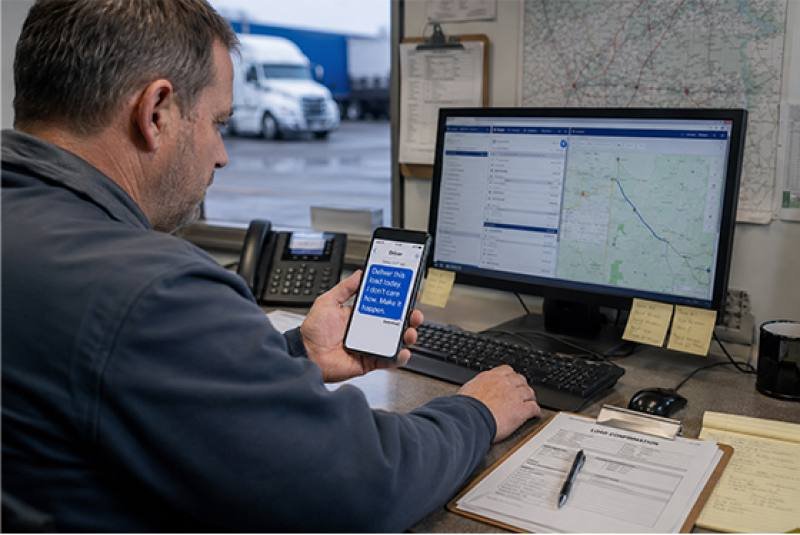
In trucking, tight delivery schedules can put drivers under a lot of pressure. The real problem starts when a dispatcher...
read more...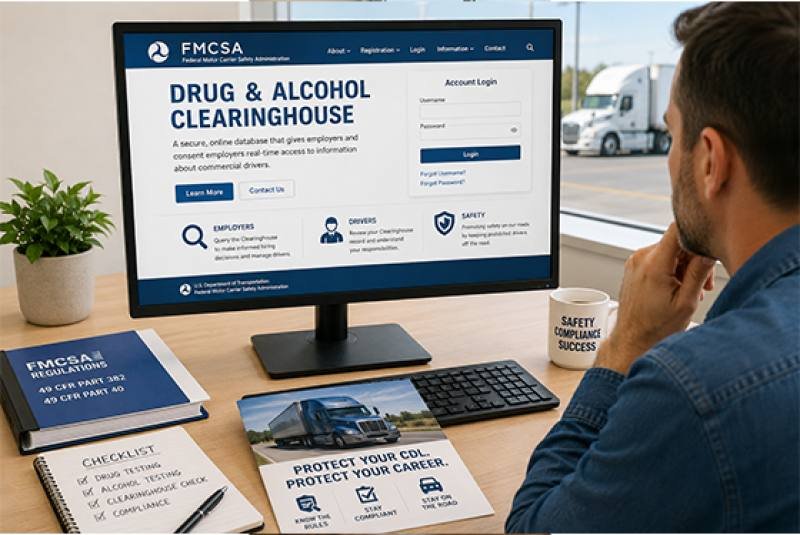
Many commercial drivers focus on maintaining a clean driving record, avoiding traffic violations, and protecting their C...
read more...
In our previous edition, we discussed tire blowouts during the summer months, a problem that becomes increasingly common...
read more...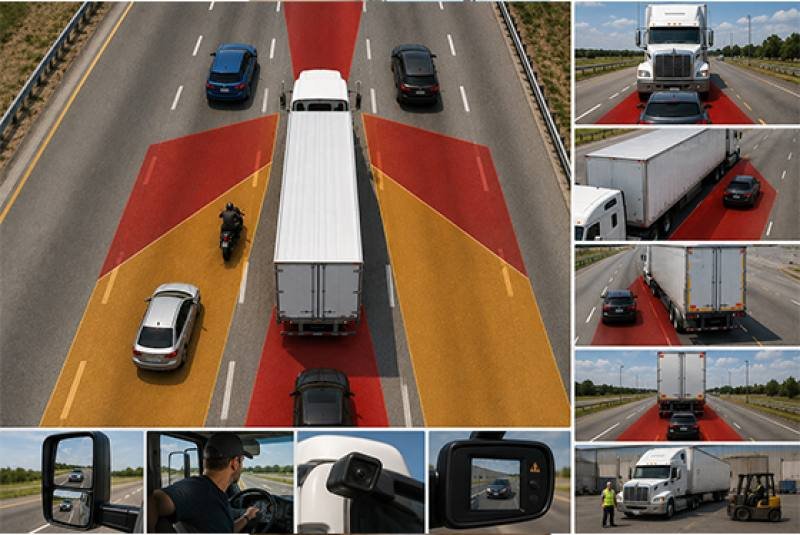
Every driver understands the concept of blind spots, yet they remain one of the leading causes of accidents involving co...
read more...