 |
|
 |
Get our FREE |
|
|
|
|
Get our FREE |
    |













The life of a trucker involves long hours behind the wheel, irregular rest schedules, and often an unbalanced diet. This lifestyle increases the risk of pancreatic problems such as pancreatitis and contributes to the development of type 2 diabetes, which is directly linked to pancreatic function.
According to the Centers for Disease Control and Prevention (CDC), commercial drivers are up to twice as likely to experience obesity or habits such as smoking. These conditions also raise the risk of pancreatic cancer. Medical research has found that transportation workers face a slightly higher incidence of this disease compared to other professions.
Essential care tips for drivers
The good news is that there are simple steps truckers can take during their trips:
1. Healthy eating: preparing snacks with fruits, vegetables, and lean proteins reduces reliance on fast food, which is high in saturated fats and burdens the pancreas.
2. Hydration and avoiding alcohol and tobacco: drinking water regularly is essential, while alcohol and tobacco are recognized risk factors for both pancreatitis and cancer.
3. Physical activity on the road: using stops for stretching, short walks, or quick exercises improves circulation and helps maintain a healthy weight.
4. Regular medical checkups: monitoring blood sugar levels helps detect diabetes early. Symptoms such as persistent abdominal pain, fatigue, or unexplained weight loss should prompt immediate medical attention.
Regulations and medical certification
In the United States, truck drivers must hold a Medical Examiner’s Certificate (MEC) issued by an FMCSA-certified examiner. While pancreatic conditions are not specifically regulated, diabetes is covered:
• Drivers with type 2 diabetes, even those treated with insulin, may obtain an MEC if they demonstrate adequate control of the condition.
• Exams must include recent blood glucose records, management of hypoglycemic episodes, and absence of severe vision complications.
• In Califo
ia, state rules require additional reviews and may limit insulin-dependent drivers to intrastate licenses, unless they qualify for a federal exemption.
Conclusion
Although pancreatic conditions are not specifically regulated for truckers, the lifestyle of the profession raises risks that may progress to diabetes or pancreatitis. That is why prevention is critical: balanced nutrition, regular exercise, proper hydration, and consistent medical checkups. Keeping metabolic health under control not only protects the driver but also ensures road safety and compliance with federal and state regulations.
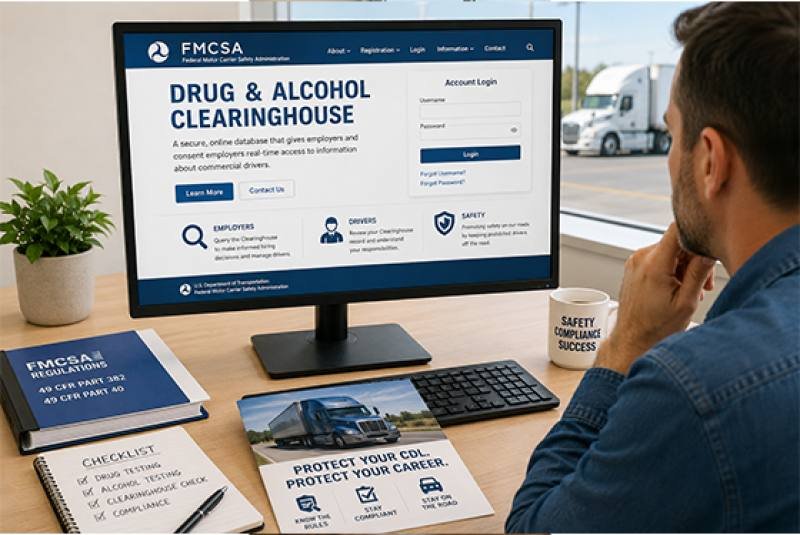
Many commercial drivers focus on maintaining a clean driving record, avoiding traffic violations, and protecting their C...
read more...
In our previous edition, we discussed tire blowouts during the summer months, a problem that becomes increasingly common...
read more...
Every driver understands the concept of blind spots, yet they remain one of the leading causes of accidents involving co...
read more...
An Extension Is Not the End of the Road If you are an owner-operator or run a small trucking company, chances are you re...
read more...