 |
|
 |
Get our FREE |
|
|
|
|
Get our FREE |
    |











In the trucking industry, the workplace is not limited to an office. It includes terminals, yards, loading and unloading sites, customer facilities, truck stops, and hotels. Within this broad—and often informal—work environment, sexual harassment in Califo
ia represents a real risk, both for those who are accused and for those who experience it, including truck drivers themselves.
There is a common misconception that the driver is always the one who crosses the line. In reality, the situation is far more complex. Many truck drivers—both men and women—are also victims of sexual harassment by dispatchers, warehouse staff, customers, other drivers, or even strangers at rest areas. Even when these incidents occur outside a traditional office setting, they can carry serious legal, professional, and personal consequences.
From a legal standpoint, sexual harassment is defined as any unwelcome sexual conduct—including comments, advances, messages, images, physical contact, or pressure—that creates a hostile work environment or conditions employment benefits on compliance. In Califo
ia, these behaviors are regulated under state and federal laws that also apply to contractors and independent workers, a common classification in the trucking sector.
For drivers, it is essential to understand both sides of the issue. On one hand, “I didn’t mean it that way” is not always a valid defense. Repeated comments, sexual jokes, or inappropriate messages can lead to legal penalties or loss of contracts. On the other hand, when a truck driver is the victim of harassment, they have the right to set clear boundaries, document what occurred, and seek support without fear of retaliation—even if the harasser is not directly employed by their company.
The psychological impact of harassment on the road
Beyond legal consequences, sexual harassment can have a serious impact on mental health. Victims often experience anxiety, stress, insomnia, fear of certain work locations, or difficulty concentrating while driving. In a profession already marked by isolation, long hours, and constant pressure to meet schedules, these effects increase the risk of fatigue and driving errors.
Even an accusation alone can carry emotional weight: stress, conce
over reputation, loss of income, and fear of being pushed out of the industry. In both situations, ignoring the psychological impact only makes the problem worse.
Seeking support is also a safety issue
Asking for help is not a sign of weakness. Speaking with a mental health professional, a workplace counselor, or using available support programs can help drivers process the situation and make informed decisions. Maintaining basic self-care routines—adequate rest, proper nutrition, and regular breaks—is also essential to protecting emotional well-being.
On the road, respect, clear boundaries, and mental health are part of safety. Recognizing that truck drivers can also be victims of sexual harassment is critical to protecting not only their job and CDL, but also their dignity and their lives.
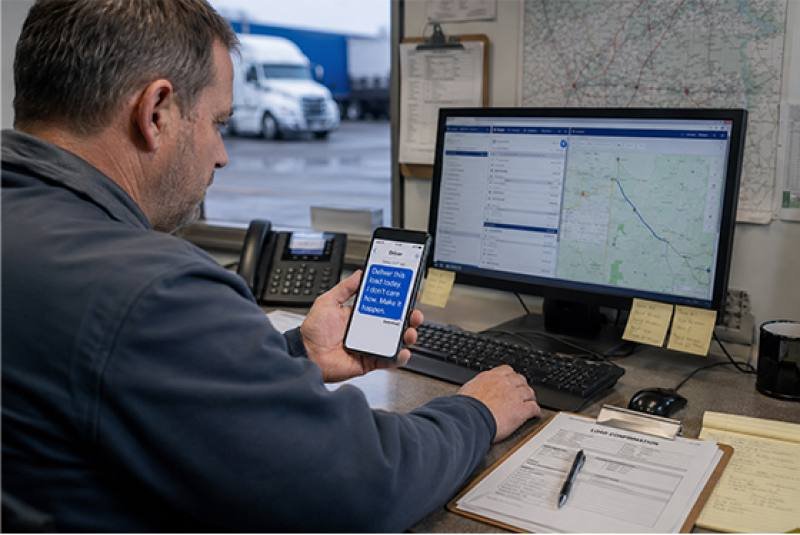
In trucking, tight delivery schedules can put drivers under a lot of pressure. The real problem starts when a dispatcher...
read more...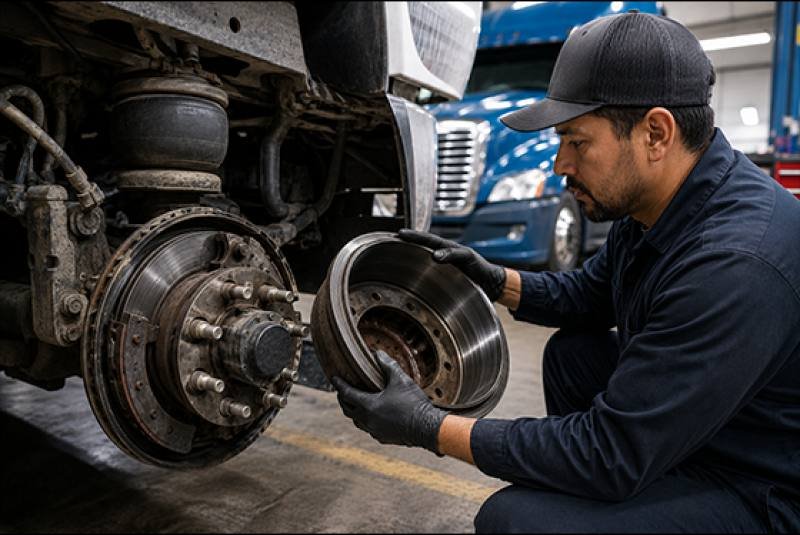
From August 23 through 29, 2026, Brake Safety Week will take place, with inspections focused on commercial vehicle braki...
read more...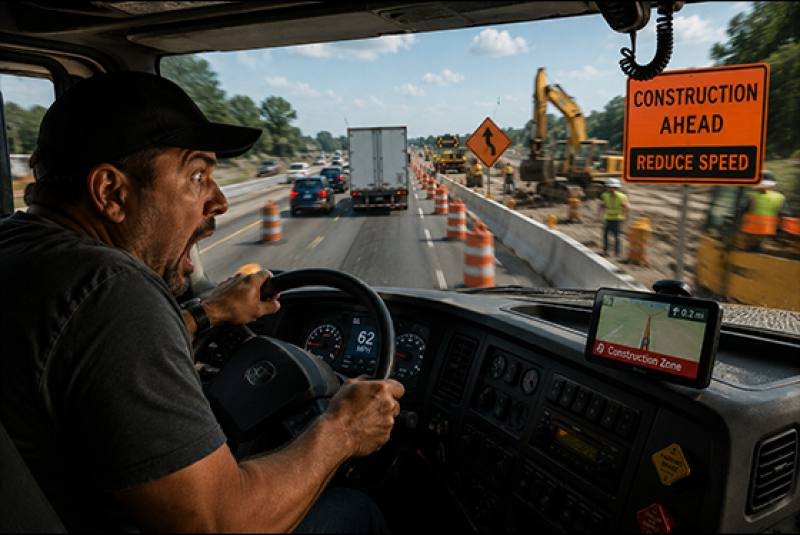
Construction zones demand a driver’s full attention, especially when operating a loaded truck. Narrow lanes, sudde...
read more...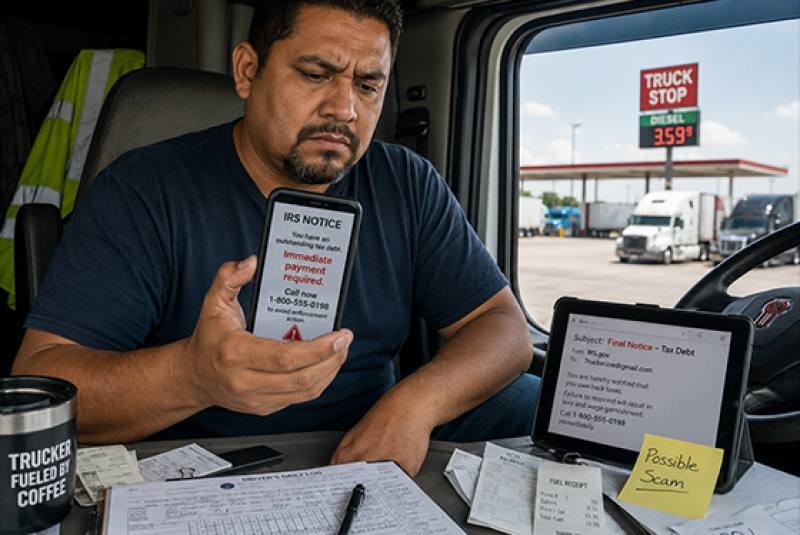
Ah, summer! It is one of the busiest times of the year for truckers, and with long hours on the road and plenty of fatig...
read more...