 |
|
 |
Get our FREE |
|
|
|
|
Get our FREE |
    |














Getting eight hours of sleep does not always mean getting quality rest. Thousands of commercial drivers suffer from obstructive sleep apnea without realizing it. This condition causes repeated interruptions in breathing during sleep, preventing the body from receiving adequate oxygen and reducing the quality of rest, even when a driver believes they have slept through the night.
Some of the most common symptoms include loud snoring, frequent nighttime awakenings, excessive daytime sleepiness, difficulty concentrating, mo
ing headaches, and constant fatigue. For drivers who spend long hours behind the wheel, these symptoms can negatively affect reaction time, alertness, and the ability to make safe decisions on the road.
Sleep medicine specialists estimate that sleep apnea is more common among individuals who are overweight or who suffer from high blood pressure, diabetes, or have a family history of the condition. These health issues are also prevalent within the trucking industry.
The good news is that effective treatments are available. The most common remains CPAP therapy (Continuous Positive Airway Pressure), which uses a device to keep the airways open during sleep and help restore healthy breathing patte
s. In recent years, CPAP machines have become more compact, quieter, and easier to transport—an important advantage for drivers who spend several days away from home.
In addition, some patients may benefit from lifestyle changes, weight loss programs, regular exercise, custom oral appliances, and newer medical therapies recommended by healthcare professionals based on individual needs.
Sleep apnea not only affects quality of life; it can also increase the risk of cardiovascular disease, traffic accidents, and complications during medical evaluations related to commercial driving. If you continue to feel tired despite getting several hours of sleep, or if family members have told you that you snore excessively, it may be time to consult a healthcare professional.
Detecting and treating sleep apnea early can protect your health, improve your safety, and help preserve your career behind the wheel.

In trucking, tight delivery schedules can put drivers under a lot of pressure. The real problem starts when a dispatcher...
read more...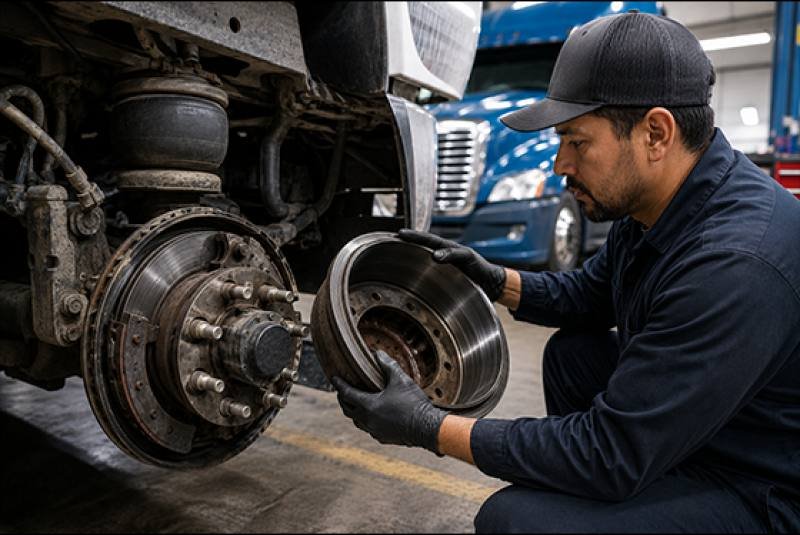
From August 23 through 29, 2026, Brake Safety Week will take place, with inspections focused on commercial vehicle braki...
read more...
Construction zones demand a driver’s full attention, especially when operating a loaded truck. Narrow lanes, sudde...
read more...
Ah, summer! It is one of the busiest times of the year for truckers, and with long hours on the road and plenty of fatig...
read more...