 |
|
 |
Get our FREE |
|
|
|
|
Get our FREE |
    |














A new year begins, and with it come new goals. For many truck drivers, that may mean purchasing or upgrading a truck, forming a corporation, or obtaining their own operating authority. My hope is that all of these goals become reality—but they are far more achievable when your business is properly organized. Good financial management can open the door to reducing your federal tax burden.
Below is a complete and up-to-date overview of the tax deductions the IRS allows for truck drivers in 2025, including both company drivers and owner-operators. Following these guidelines can significantly lower the amount of taxes you owe. Keep in mind that all deductions must be supported by proper documentation such as receipts, logbooks, mileage apps, or credit card statements.
Allowed Tax Deductions for Truckers in 2025
For the 2025 tax year, the IRS allows truck drivers to deduct a wide range of expenses directly related to their work, as long as they are properly documented.
Fuel, whether diesel or gasoline, remains the largest operating expense for owner-operators and leased drivers. This expense should be supported with receipts or IFTA reports.
Truck maintenance and repairs, including oil changes, filters, brakes, and mechanical repairs, are deductible for owner-operators. The purchase of tires is also fully deductible in the year they are bought.
Depreciation of the tractor and trailer, through Section 179 or Bonus Depreciation, allows up to $1,220,000 in deductions for new or used equipment in 2025, adjusted for inflation. Interest on truck loans is also deductible, but only the interest portion—not the principal.
Other fully deductible expenses for owners include truck insurance (liability, cargo, and bobtail). Both company drivers and owner-operators may deduct licenses, permits, plates, CDL renewals, DOT inspections, as well as the federal Form 2290 Heavy Vehicle Use Tax for trucks over 55,000 pounds.
Tolls and scale fees, supported by receipts or PrePass/E-ZPass statements, are deductible. For meals, the 2025 per diem rate is $80 per full day away from home, with no receipts required if supported by your logbook.
Additional deductible expenses include hotels, truck stop showers, truck washes, business use of a cellphone, GPS units, ELDs, dash cams, required uniforms, safety equipment, union dues, CDL or hazmat training, home office expenses, health insurance for self-employed drivers, retirement contributions, load board or agent commissions, advertising, and work equipment such as portable refrigerators or microwaves installed in the truck.
Deductions No Longer Allowed (2018–2025)
• 100% meal deductions for employees who do not use per diem (only 50% allowed)
• Commuting expenses from home to the terminal
• Regular clothing (jeans, T-shirts), even if wo
while driving
Practical Recommendations for 2025
• Company drivers: Use the $80/day per diem (80% deductible) plus small deductions like showers, phone expenses, and truck washes. Many drivers save $3,000–$6,000 annually this way.
• Owner-operators: Combine actual expenses, 100% per diem, and accelerated depreciation under Section 179. Total deductions can easily reach $60,000–$120,000 or more.
Store everything digitally using apps like Trucker Path, KeepTruckin, QuickBooks Self-Employed, or TruckLogics. A qualified Enrolled Agent (EA) or a CPA specialized in trucking can often save you far more money than they charge.
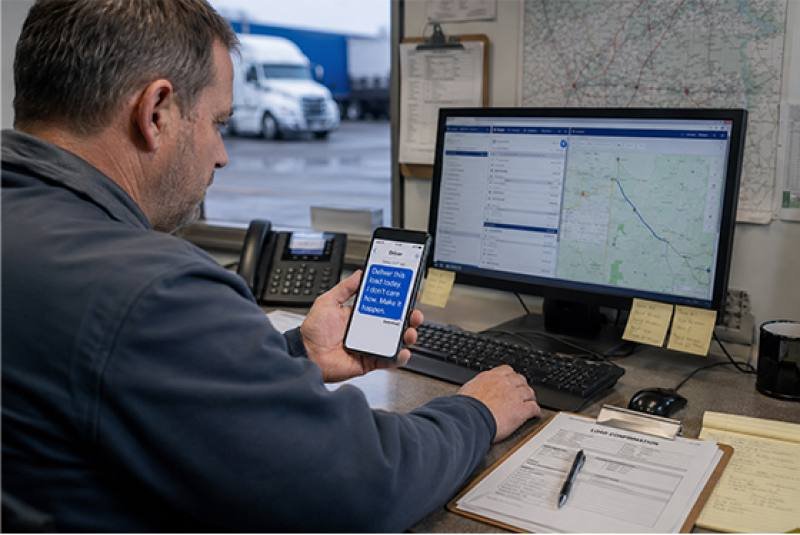
In trucking, tight delivery schedules can put drivers under a lot of pressure. The real problem starts when a dispatcher...
read more...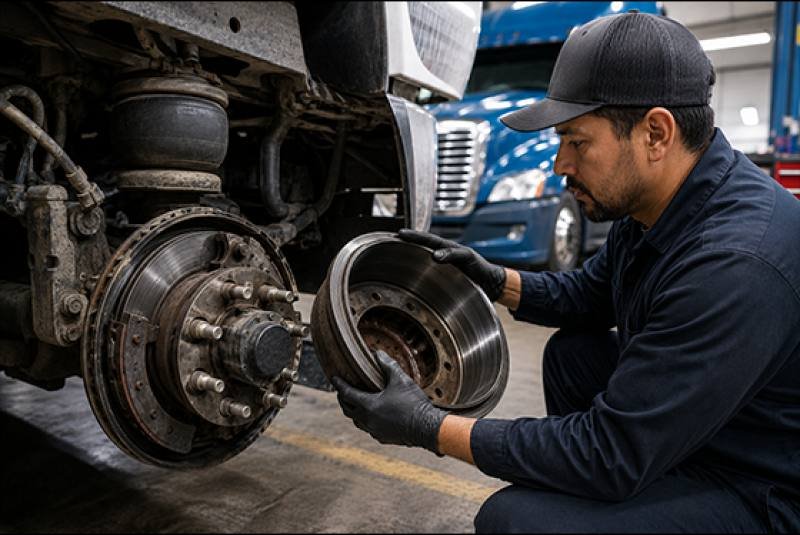
From August 23 through 29, 2026, Brake Safety Week will take place, with inspections focused on commercial vehicle braki...
read more...
Construction zones demand a driver’s full attention, especially when operating a loaded truck. Narrow lanes, sudde...
read more...
Ah, summer! It is one of the busiest times of the year for truckers, and with long hours on the road and plenty of fatig...
read more...