 |
|
 |
Get our FREE |
|
|
|
|
Get our FREE |
    |






Freight transportation in Califo
ia faces multiple challenges: from strict regulations by the Califo
ia Highway Patrol (CHP) and the Califo
ia Air Resources Board (CARB) to heavy traffic on corridors such as the I-5 and I-10. In this context, the use of GPS monitoring systems has become an essential tool for large companies, small businesses, and owner-operators.
For Companies with Large Fleets
Companies with dozens or hundreds of trucks gain significant benefits from GPS-based telematics:
• Efficient route management: Mode
systems integrate real-time traffic data and help reduce unnecessary mileage. Studies by the Federal Motor Carrier Safety Administration (FMCSA) indicate that better planning can cut fuel consumption by up to 20% in certain operations.
• Regulatory compliance: Continuous monitoring makes it easier to comply with regulations such as the Electronic Logging Device (ELD) Mandate, which requires electronic recording of hours of service.
• Cargo security: GPS devices can detect unauthorized deviations and send instant alerts in case of theft or tampering, a key aspect in a state with high volumes of valuable cargo in transit.
• Predictive maintenance: By matching mileage data with service programs, companies can prevent costly breakdowns and reduce downtime.
For Small Businesses and Owner-Operators
For family-owned businesses or independent truckers, GPS investment often delivers quick retu
s:
• Fuel savings: Monitoring fuel use and correcting driving habits (excessive speeding, harsh braking) can reduce operating costs by up to 10%, according to the American Transportation Research Institute (ATRI).
• Greater competitiveness: Offering clients the ability to track shipments in real time provides trust and professionalism, helping small operators stand out against large companies.
• Asset protection: For many owner-operators, the truck is their primary asset. A GPS system increases the likelihood of recovery in case of theft and protects their investment.
An Industry Standard
In Califo
ia, where the pressure to improve efficiency and reduce emissions is growing, GPS monitoring is no longer a luxury but a standard. From large fleet operators to independent truck drivers, telematics offers a tangible competitive advantage: lower costs, greater security, and guaranteed regulatory compliance.
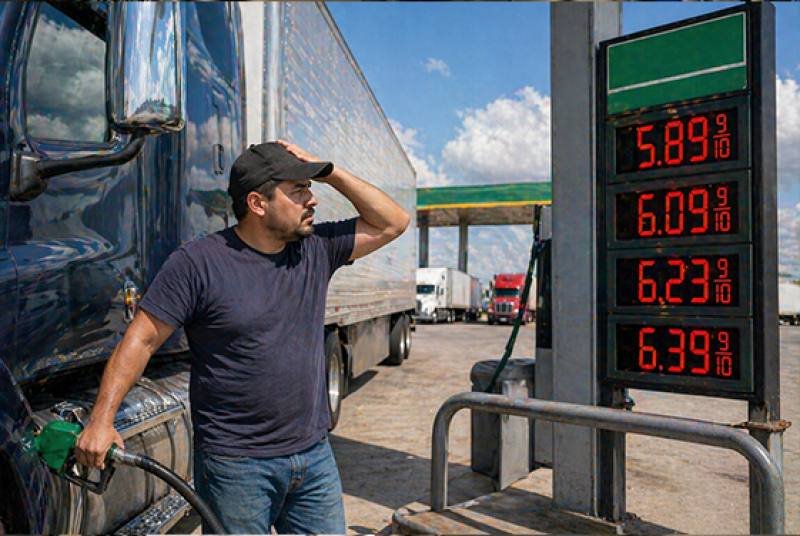
When diesel prices tighten their grip, any news of a “price break” sounds like a lifeline. But the reality o...
read more...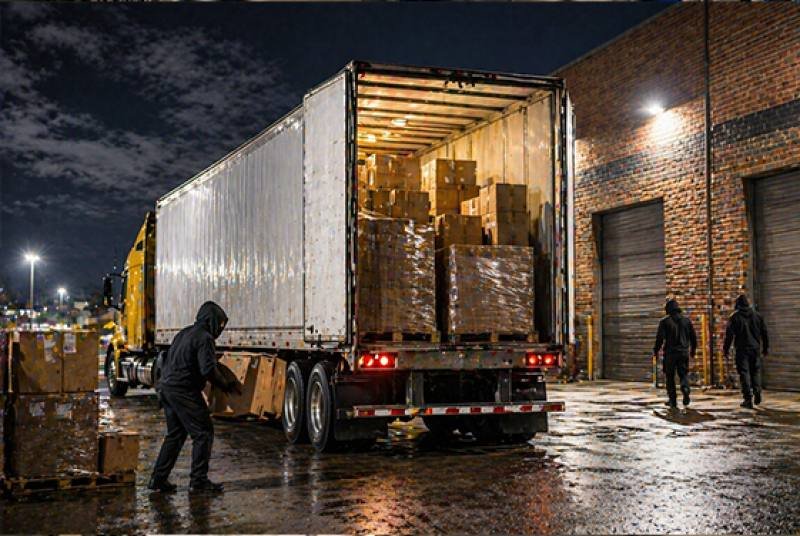
A law enforcement operation in Southe Califo ia exposed what many truck drivers have long suspected: cargo theft is mor...
read more...
The road never stops—and neither do the people who drive it. Truck drivers are the invisible engine of the U.S. ec...
read more...
If it feels like you’re getting pulled over more often on the road, it’s not your imagination. Inspections b...
read more...