 |
|
 |
Get our FREE |
|
|
|
|
Get our FREE |
    |













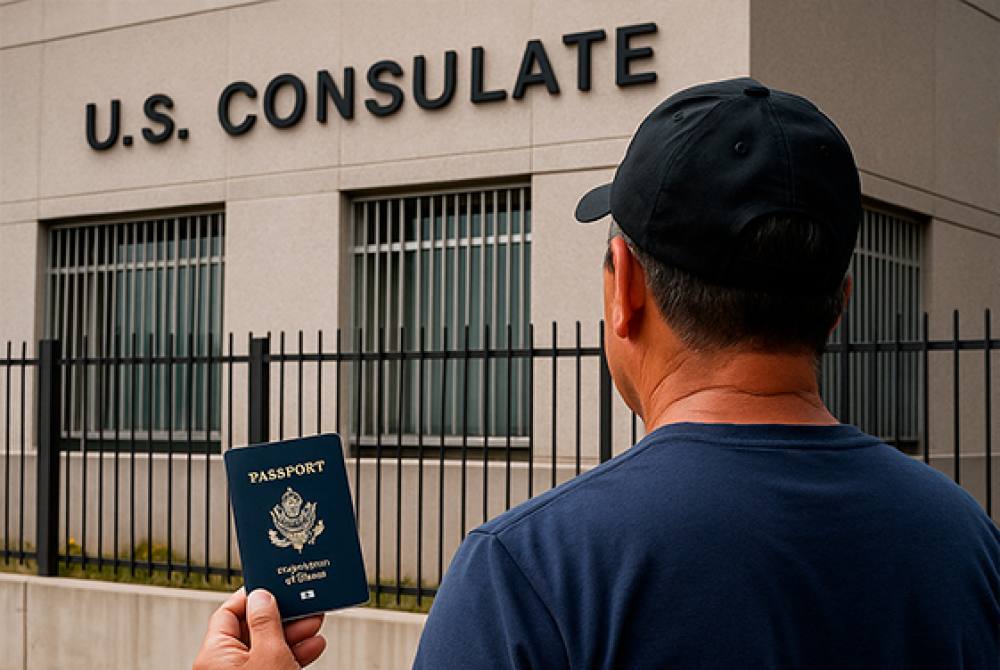
In August, the U.S. trucking industry faced an unexpected setback: Secretary of State Marco Rubio announced the temporary suspension of work visas for foreign truck drivers. According to the federal gove
ment, the measure is intended to protect local jobs and address public safety conce
s.
The decision, however, comes at a critical time. The sector is already struggling with a shortage of more than 80,000 drivers, according to the American Trucking Associations (ATA). This lack of workforce impacts supply chains, raises transportation costs, and causes delivery delays nationwide.
Visa programs, such as the H-2B, have served as an important option to fill vacancies in states with high demand from ports and agriculture. Industry leaders wa
that without this temporary labor, it will be harder to meet demand during peak seasons, particularly the end-of-year rush.
Transportation organizations are urging the gove
ment to reconsider the measure and to propose solutions that balance the protection of U.S. jobs with the logistical realities faced by fleets. Without adjustments, the suspension could worsen the driver shortage and increase pressure on small carriers and independent truckers.
The debate over security, immigration, and the trucking economy remains open, while companies and drivers wait for clarity on the future of the workforce that keeps America’s highways moving.
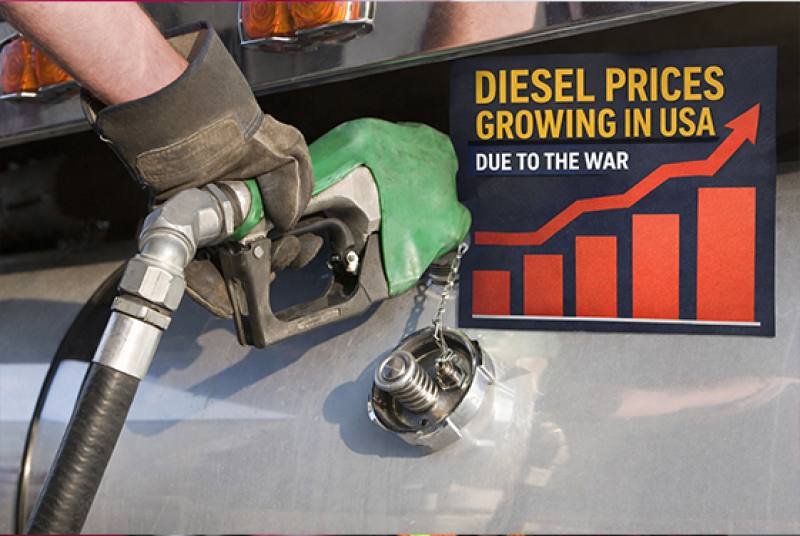
Diesel prices are climbing once more, and with them comes a familiar fear for thousands of truckers: working harder just...
read more...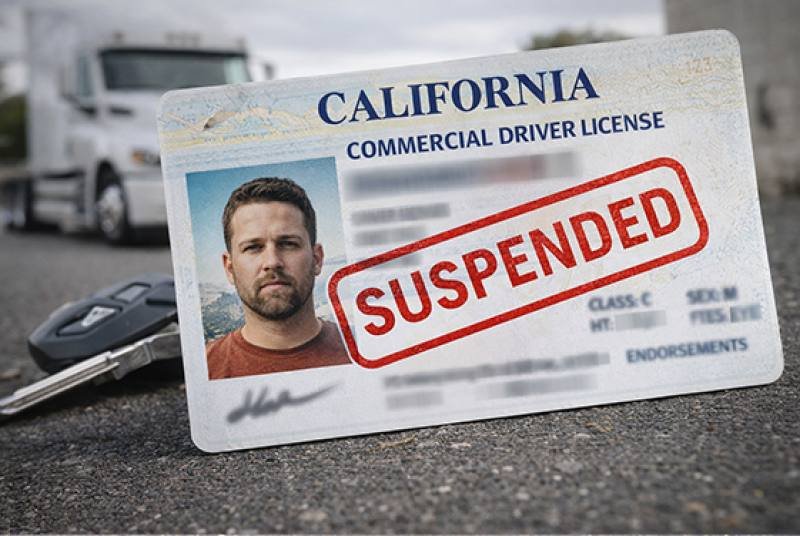
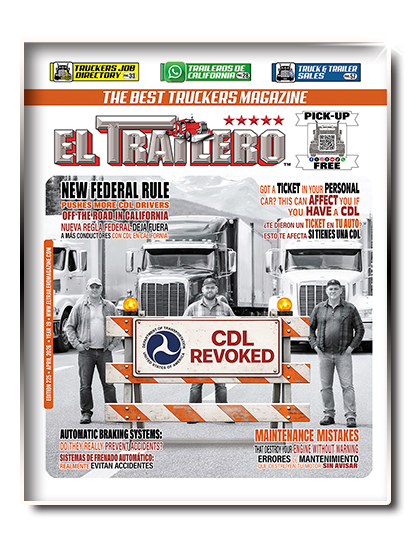
A new federal rule is already shaking up the trucking industry in Califo ia and leaving thousands of drivers on the edge...
read more...
April 15, 2026, is the official IRS deadline to file 2025 tax retu s. This deadline applies to: Individuals filing Form ...
read more...
Many truck drivers think that as long as they avoid accidents, everything is fine. But in Califo ia, your record goes fa...
read more...